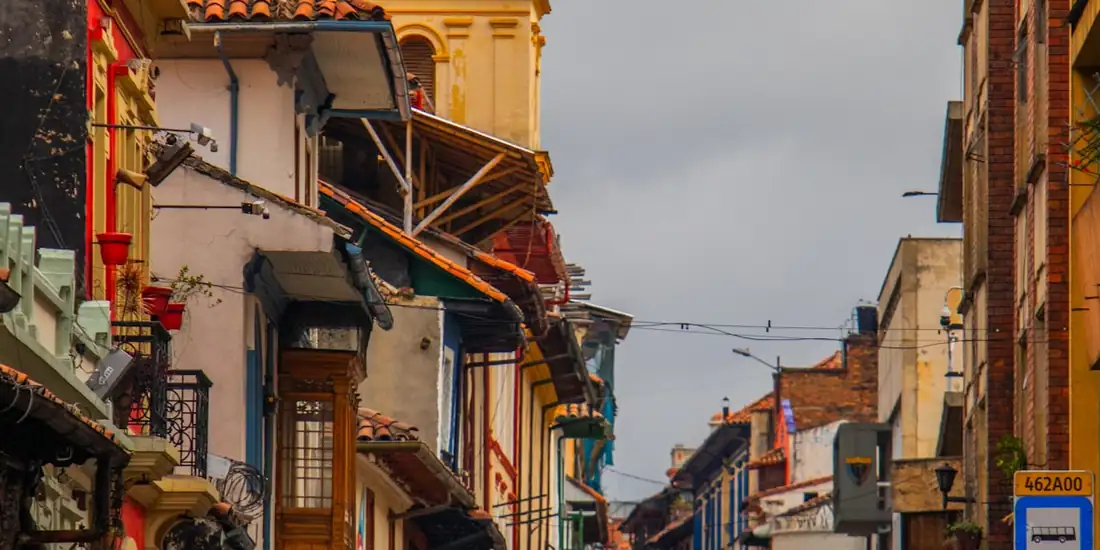
Digital Nomad Guide to Bogotá, Colombia (2026)
Everything you need to know about living and working remotely in Bogotá in 2026 — from coworking spaces and café wifi to visa rules and monthly budgets.
Bogotá doesn't get the same breathless hype as Medellín on nomad forums, and honestly, that's part of why it works. The capital is serious, fast-paced, and intellectually switched on. It has some of the best internet infrastructure in the country, a genuinely diverse food scene, and a community of locals and expats who are actually doing interesting things. Yes, it rains a lot and yes, the altitude (2,600 metres) will knock you sideways for the first week. Get past that and you'll find a city that rewards the nomad who puts in the effort.
Here's what you actually need to know.
Internet and Connectivity
Bogotá has the most reliable internet infrastructure in Colombia. Fibre coverage across Chapinero, Usaquén, Teusaquillo, and La Candelaria is solid, and speeds of 200–500 Mbps are achievable with a decent home plan.
- Main providers:
- Claro Fibra — Most widely available. A 200 Mbps plan runs around 79,000–95,000 COP/month. Speeds are consistent but customer service is famously painful.
- ETB — Bogotá's legacy provider, now competing on fibre. Plans start around 65,000 COP/month for 100 Mbps. Coverage is patchy outside central neighbourhoods.
- Tigo — Good speeds in Chapinero and Usaquén, competitive at around 85,000–110,000 COP/month for 300 Mbps packages.
If you're in a furnished apartment or coliving space, internet is almost always included. If you're signing your own contract, Claro is usually the fastest to install. Expect a wait of 3–7 working days.
SIM Cards and Mobile Data
Pick up a SIM at any Claro, Tigo, or Movistar store — there are branches in every centro comercial and most main streets. You'll need your passport. No contract required.
- Prepaid data plans (planes de datos) are straightforward:
- Claro: 30,000 COP for 15 GB (30 days), or 50,000 COP for 30 GB
- Tigo: 28,000 COP for 12 GB, with social media data often included separately
- Movistar: Similar pricing, slightly weaker coverage in outer localidades
For a backup connection while settling in, Claro tends to have the strongest 4G/5G signal across the city. Top up via the app, via Baloto (a ubiquitous cash payment network at corner shops), or at any Éxito supermarket.
Best Coworking Spaces
Bogotá has a solid coworking scene, particularly in Chapinero Alto, El Chicó, and around the Zona Rosa. Here are the ones actually worth your money:
Selina Chapinero — Calle 58 with Carrera 10. A familiar name for nomads globally. Day pass around 45,000–55,000 COP, monthly hot desk from 550,000 COP. Good community events, reliable wifi, and a café attached. Gets busy in the evenings with hostel guests, which can be distracting.
WeWork Calle 93 — Premium option in the Parque 93 zone. Monthly dedicated desks start around 1,200,000 COP, hot desks from 900,000 COP. Best for calls and client work — solid soundproofing, fast symmetric fibre, proper meeting rooms. Crowd skews corporate but it's genuinely professional.
Espacio Co — Multiple locations including Chapinero and El Chicó. Day pass around 30,000–40,000 COP, monthly from 480,000 COP. Popular with Colombian startups and freelancers. The Chapinero location on Carrera 13 has a good café attached and a rooftop.
La Manzana — Smaller, more curated space in Teusaquillo near Parque Simón Bolívar. Day pass 25,000 COP, monthly around 380,000 COP. Great for focused work; not a social hub but reliable and quiet.
Atomhouse — Chapinero Alto. Strong community, regular events, mix of local founders and remote workers. Monthly from 450,000 COP. Possibly the best option if you want to integrate with Bogotá's startup ecosystem.
Best Cafés for Working
Not every café in Bogotá is nomad-friendly, but the ones below actively welcome remote workers with decent wifi and plugs on the tables.
Amor Perfecto (multiple locations, best one on Calle 64 in Chapinero) — Serious specialty coffee, plugs at most tables, wifi that regularly hits 30–40 Mbps. A tinto (small black coffee) costs around 5,000 COP, a pourover 12,000–15,000 COP. Gets full on weekday mornings so arrive before 9am or after 2pm.
Devoción (Usaquén and Chapinero) — Colombian-founded, internationally acclaimed. Excellent wifi, spacious layout, good natural light. Expect to pay 10,000–18,000 COP for filter coffee. More relaxed about laptop users than most upscale spots.
Pergamino — The Medellín original now has a Bogotá outpost in Chapinero. High-quality coffee, solid wifi, but can get loud during peak hours. Worth it for the beans alone.
Azafrán Café (Teusaquillo) — Smaller neighbourhood spot, near Universidad Nacional. Reliably quiet during weekday afternoons, plugs available, wifi around 20 Mbps. A good bet if you're based west of Carrera 30.
One rule of thumb: buy something every 90 minutes or so. Bogotá café culture is genial but not bottomless — baristas notice.
Visa Situation
Colombia's tourist visa gives you 90 days on arrival, extendable by another 90 days at a Migración Colombia office (there's one in Chapinero on Carrera 11). That's 180 days per calendar year. Cost of the extension: around 289,000 COP as of 2026 (subject to annual adjustment).
- For longer stays, Colombia's Digital Nomad Visa (Visa Nómada Digital) launched in 2022 and has been refined since. As of 2026 the requirements are:
- Proof of remote income of at least 3x Colombia's monthly minimum wage (around 4,050,000 COP/month as of 2026, so you need to demonstrate roughly 12,150,000 COP/month — approximately USD 3,000)
- Employment contract or proof of freelance contracts/clients outside Colombia
- Valid health insurance with Colombia coverage
- Application via the Cancillería portal (online)
- Fee: approximately USD 52 (paid in COP equivalent)
The visa grants 2 years and can be renewed. It does not automatically grant work rights with Colombian companies — it's specifically for income earned abroad. Processing time is typically 3–10 business days.
Best Neighbourhoods for Nomads
Chapinero Alto / Chapinero Central — The default nomad base. Most coworking spaces, plenty of cafés, walkable to restaurants and bars along Carrera 13. Safe to walk during the day, reasonably safe at night if you stick to well-lit streets. Rents for a furnished studio: 2,000,000–3,200,000 COP/month.
Usaquén — Quieter, more residential, excellent restaurant scene around the central plaza. Popular with longer-term expats and families. Less frenetic than Chapinero. Rents slightly higher: 2,500,000–4,000,000 COP/month for a decent furnished apartment.
La Macarena — Bohemian neighbourhood between the hills and the city centre. Great independent restaurants, weekend markets, a strong arts community. Very walkable within the neighbourhood but you'll need a taxi or TransMilenio (Bogotá's bus rapid transit system) to get elsewhere. Good value rents: 1,800,000–2,800,000 COP/month.
Teusaquillo — Underrated. Quiet, tree-lined streets, close to Parque Simón Bolívar. Attracts students and academics. Lower rents (1,500,000–2,500,000 COP), slightly fewer nomad amenities but genuinely pleasant to live in.
Avoid setting up base in Santa Fe, La Candelaria, or Kennedy unless you specifically know the area. These are not inherently dangerous but require street awareness that takes time to develop.
Monthly Budget Breakdown
Here's what a comfortable nomad month looks like in Bogotá in 2026:
| Category | Estimated Cost (COP) | |---|---| | Furnished apartment (Chapinero/Usaquén) | 2,200,000–3,500,000 | | Coworking (monthly hot desk) | 450,000–900,000 | | Groceries | 400,000–650,000 | | Eating out (mix of corrientazos and restaurants) | 600,000–1,200,000 | | Transport (Uber/InDriver/TransMilenio) | 150,000–300,000 | | Mobile data | 30,000–50,000 | | Coffee shops | 100,000–200,000 | | Health insurance | 200,000–800,000 | | Entertainment/misc | 200,000–400,000 | | Total | ~4,330,000–8,000,000 COP |
That's roughly USD 1,050–1,950 at current rates. Bogotá is mid-range by Latin American nomad standards — cheaper than Buenos Aires or São Paulo, more expensive than Medellín or Cali.
A corrientazo — the set lunch meal you'll find at any neighbourhood restaurant — runs 12,000–18,000 COP and usually includes soup, a main, juice, and sometimes dessert. It's the single best value in the city.
Health Insurance
You have two realistic options:
International nomad insurance — SafetyWing's Nomad Insurance runs approximately USD 56/month for under-40s as of 2026, covering emergency medical internationally. Good for short stays and as a baseline. World Nomads is pricier (USD 80–120/month) but offers broader adventure activity coverage.
Local EPS (Entidad Promotora de Salud) — If you're on the Digital Nomad Visa or have a cédula de extranjería (foreign ID card), you can register with a local health provider like Sanitas, Compensar, or Nueva EPS. Costs vary but contributory regime payments for a self-employed person typically run 12.5% of declared income, with a minimum base. Coverage is surprisingly comprehensive once you're enrolled, though appointment waits can be long for specialists.
For most nomads on a tourist visa, SafetyWing plus a local telemedicine app like Sura Salud or Médico en Línea (virtual GP consultations from ~20,000 COP) covers the practical bases.
The Nomad Community
Bogotá's nomad scene is smaller and less manufactured than Medellín's but more genuine for it.
Facebook groups: "Expats in Bogotá" (~15,000 members) is the most active. "Digital Nomads Colombia" covers the whole country but Bogotá-based members post regularly.
Meetups: Internations Bogotá holds monthly events — check their site for venues, usually in Chapinero or Zona Rosa. The Bogotá Startup Community hosts regular networking nights, often at Atomhouse or WeWork.
Slack: The "Nomads Colombia" Slack workspace has a #bogota channel. Less active than the Facebook groups but useful for specific questions.
Language exchange: Gringo Tuesdays at bars around Chapinero are a standing institution — informal Spanish/English exchange nights that double as social mixers. Check current venues in the Expats in Bogotá group as locations rotate.
Bogotá vs Other Nomad Hubs
vs Medellín: Medellín has a more established nomad infrastructure and better weather (the ciudad de la eterna primavera — city of eternal spring). Bogotá wins on professional opportunities, internet reliability, and cultural depth. Medellín can feel like a nomad bubble; Bogotá forces you to engage with actual Colombian city life, for better and worse.
vs Cali: Cali is significantly cheaper and the salsa scene is unmatched, but coworking options are thinner and the city has a steeper learning curve for newcomers. Bogotá is more plug-and-play.
vs Mexico City or Buenos Aires: Bogotá is cheaper than both in 2026 and less saturated with nomads. If you want to feel like you've actually moved somewhere rather than joined a floating coworking community, Bogotá delivers.
The honest downside: the weather is genuinely relentless. Bogotá gets around 160 rainy days a year and the temperature rarely climbs above 18°C. If sunshine and warmth are non-negotiable, head north. If you can live with a fleece and an umbrella, you'll find a city that more than compensates.
Sponsored content
LlevaLleva
Connect with your local community on LlevaLleva