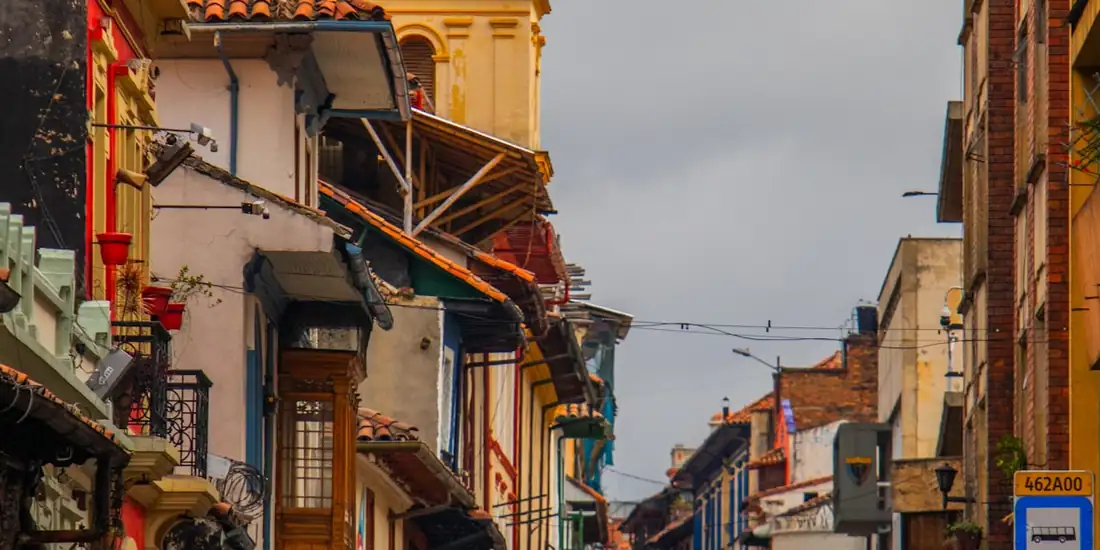
Things to Do in Bogotá: A Local's Guide
Skip the tourist traps. Here's how people who actually live in Bogotá spend their time — from free Sunday ciclovías to hidden market gems and proper day trips.
Living in Bogotá for any length of time, you quickly realise the city operates on its own logic. It's cold when you expect it to be warm, chaotic when you expect calm, and then quietly, unexpectedly brilliant. Once you stop fighting it and start learning how it works, there's genuinely nowhere else quite like it.
This guide isn't about ticking boxes. It's about how people who actually live here spend their weekends, evenings, and lazy Tuesday afternoons.
Cultural and Historical Sites Worth Your Time
La Candelaria is the obvious starting point, but don't write it off as a tourist cliché — it earns its reputation. The Museo del Oro (Gold Museum) on Calle 16 with Carrera 6 is legitimately one of the best museums in Latin America. Entry is 4,000 COP for locals and residents, 50,000 COP for foreign visitors, and it's free on Sundays. Spend two hours here minimum — the pre-Columbian goldwork is extraordinary and the curators actually know their stuff.
The Museo Botero on Calle 11 is free, always. Fernando Botero donated his entire collection to the Colombian state, which means you can walk past original Picassos, Dalís, and Botero's own enormous canvases without spending a peso. It gets crowded on weekends — go on a weekday morning if you can.
Monserrate is non-negotiable. Yes, every tourist goes. Go anyway. Take the teleférico (cable car) for around 26,000 COP return, or hike up for free on weekdays — the path opens at 5am and the climb takes about 45–60 minutes depending on your fitness level (and how dramatically the altitude is affecting you). Views over the savanna on a clear morning are genuinely worth the effort.
The Museo Nacional on Carrera 7 with Calle 28 is chronically underrated. It covers Colombian history from pre-Columbian times to the present in a building that used to be a prison. Entry is around 4,000 COP, free on Sundays.
Free Things to Do (That Locals Actually Do)
Ciclovía is the single best thing Bogotá does. Every Sunday and public holiday from 7am to 2pm, around 120 kilometres of roads close to cars and open to cyclists, joggers, skaters, and anyone who wants to wander down the middle of Avenida Séptima without getting run over. It's free, it's enormous, and it connects neighbourhoods from Usaquén in the north all the way south. Hire a bike through one of the rental points along the route for around 15,000–25,000 COP for the morning if you haven't got your own.
Parque Simón Bolívar is where Bogotanos actually go on weekends. It's massive — around 400 hectares — and on a Sunday you'll find families, football games, people doing aerobics to cumbia, and vendors selling obleas (wafer sandwiches with arequipe, about 3,000–5,000 COP) at every turn. No entry fee.
The Chorro de Quevedo plaza in La Candelaria is where students and artists congregate. It's scruffy and lively and has none of the performative tourist energy of some of the more polished spots. Grab a tinto (small black coffee, around 1,500–2,500 COP) from one of the street vendors and just sit there for a while.
Markets and Shopping
Usaquén Flea Market runs every Sunday in the cobblestone streets of the Usaquén neighbourhood (around Calle 119). It's a mix of antiques, handmade jewellery, leather goods, and street food. It's touristy in parts, but if you push past the first few stalls you'll find genuinely interesting things. Antique furniture dealers set up along Calle 119B and sometimes have remarkable pieces.
Paloquemao Market (officially Corabastos' smaller cousin) on Carrera 24 is where restaurants and in-the-know residents buy their produce. It opens before dawn and winds down by midday. The flower section alone is worth the trip — Colombia is one of the world's largest flower exporters and the selection here is obscene. A massive bouquet of roses runs 10,000–25,000 COP. Come before 9am for the best experience.
San Victorino near the historic centre is where you go for cheap everything — electronics, clothing, household goods. It's dense and overwhelming and not particularly pleasant, but if you need a replacement phone charger or a pair of work boots for 40,000 COP, this is your spot.
For day-to-day shopping, the neighbourhood éxito or Jumbo supermarkets are fine, but hunting down your local plaza de mercado (neighbourhood market) is a better move. Every barrio has one — ask your neighbours.
Outdoor Activities and Day Trips
The Cerros Orientales (the mountains running along Bogotá's eastern edge) offer hiking trails accessible directly from the city. The path up to Quebrada la Vieja in the Rosales neighbourhood is one of the most popular — it starts at the end of Calle 72 and winds up through cloud forest. Free entry, takes about 2–3 hours return. Bring layers; it drops cold fast once you're in the shade.
Salt Cathedral of Zipaquirá is an hour north of Bogotá by bus (TransMilenio to Portal del Norte, then a colectivo bus for around 10,000–14,000 COP). Entry to the cathedral is around 80,000 COP for international tourists, less for Colombian residents. It's a genuine engineering marvel — a working cathedral carved 200 metres underground into a salt mine. Do not skip this.
Laguna de Guatavita — the lake that inspired the El Dorado legend — is about 75 kilometres northeast of Bogotá. Tours leave from the Portal del Norte terminal most mornings. Entry to the protected area is around 22,000 COP for adults. The hike around the rim takes about 45 minutes and the view into the crater lake is unlike anything else near the city.
For a longer nature excursion, Suesca (about 65 kilometres north) is Colombia's rock climbing capital. The sandstone cliffs attract climbers from across the country. Novice courses with equipment run around 80,000–120,000 COP through local outfitters in town.
Sports, Fitness, and Keeping Active
Bogotá has a serious gym culture. Chains like Smart Fit have locations across the city with monthly memberships from around 60,000–90,000 COP. More boutique studios in Chapinero and the Zona Rosa charge 25,000–40,000 COP per class for spin or HIIT sessions.
Running is popular, and the best routes are along the Ciclovía roads when they're open or through Parque Simón Bolívar any day of the week. The altitude (2,600 metres above sea level) will humble you for the first few weeks — don't be embarrassed when a 3km jog absolutely floors you at first.
Pickup football (fútbol) happens everywhere. Parques barriales (neighbourhood parks) across Bogotá have canchitas (small pitches), and most have informal games going on weekend mornings. Turn up, ask if you can join — generally no one will say no.
The ciclovías nocturnas (night ciclovías) happen occasionally on specific dates — check the Bogotá city government website or the @bogota social media channels for announcements. They run the same routes as the Sunday version but at night, which has a completely different energy.
Rainy Day Activities
Bogotá's weather is famously unpredictable — locals call the afternoon downpours el aguacero and they happen without much warning. Having a rainy-day plan is just sensible living here.
The Cinemateca de Bogotá on Carrera 7 shows independent, arthouse, and classic Colombian films. Tickets are around 8,000–15,000 COP and the programme changes weekly. It's excellent.
Escape rooms have proliferated across the Chapinero and Zona G areas — groups of 2–6 people, typically 80,000–120,000 COP per person.
Cooking classes are a great option. Several operators in Chapinero and Usaquén run half-day Colombian cooking workshops covering arepas, ajiaco (Bogotá's signature chicken and potato soup), and bandeja paisa basics. Expect to pay 80,000–150,000 COP per person including ingredients and the meal you make. Taller de Sabores and similar operations advertise on Airbnb Experiences — worth checking there for current providers.
Classes and Workshops
Salsa and cumbia classes are everywhere, but don't assume one style fits all — Bogotá's salsa scene is different from Cali's, and locals will tell you so fairly directly. Studios in Chapinero offer group beginner classes for around 20,000–35,000 COP per session.
Spanish classes (yes, relevant for expats) through local schools like Nueva Lengua or various universities run at much lower rates than equivalent courses abroad — around 600,000–900,000 COP for a month of intensive classes.
Pottery and ceramics workshops have become genuinely popular in the Quinta Camacho and Chapinero Alto areas. Drop-in workshop sessions run around 50,000–80,000 COP and you leave with something you made, which is a more satisfying souvenir than a fridge magnet.
Weekend Trips from Bogotá
Villa de Leyva (3.5 hours north, bus from Terminal del Norte, around 35,000–50,000 COP each way) is a well-preserved colonial town with one of the largest main plazas in South America. Go for a Friday-to-Sunday trip — the town is quieter midweek. Look up the fossil museum while you're there; the ichthyosaur skeleton is genuinely prehistoric and strange.
Salento and the Coffee Region (about 8 hours by bus, but there are overnight options) is the go-to proper weekend escape. Wax palms, coffee farms, and the Valle de Cocora. Worth doing properly rather than as a rushed day trip.
Villeta (about 2 hours southwest, colectivo from Portal del Sur) is where Bogotanos go when they want heat fast. It sits at a much lower altitude and the temperature jumps noticeably. It's not glamorous — it's finca country — but it serves the purpose of warming up your bones when Bogotá's grey has gone on too long.
The key to enjoying Bogotá is accepting that it takes time to read. The neighbourhoods each have their own character — Chapinero is bohemian and young, Usaquén is polished and pricey, La Candelaria is chaotic and historic, and Teusaquillo is the kind of quiet residential middle that most tourists never find. Spend time across all of them. The city reveals itself slowly, and it's better for it.
Sponsored content
LlevaLleva
Discover local services and experiences in Colombia