Best Neighbourhoods in Cartagena for Expats & Digital Nomads
From the colonial streets of Getsemaní to the breezy condos of Bocagrande, here's where expats and digital nomads actually want to live in Cartagena — with real prices and zero fluff.
Cartagena is not a cheap city by Colombian standards, and if you're apartment hunting without a local contact, it can feel like navigating a maze with a tourist tax slapped on every door. The good news: expats who stick around for more than a few weeks consistently land solid spots once they know which neighbourhoods actually work for longer-term living — and which ones are basically a party zone dressed up as a residential area.
Here's the honest breakdown of where to base yourself, what to expect to pay, and who each barrio suits best.
Getsemaní: The Creative Hub With an Edge
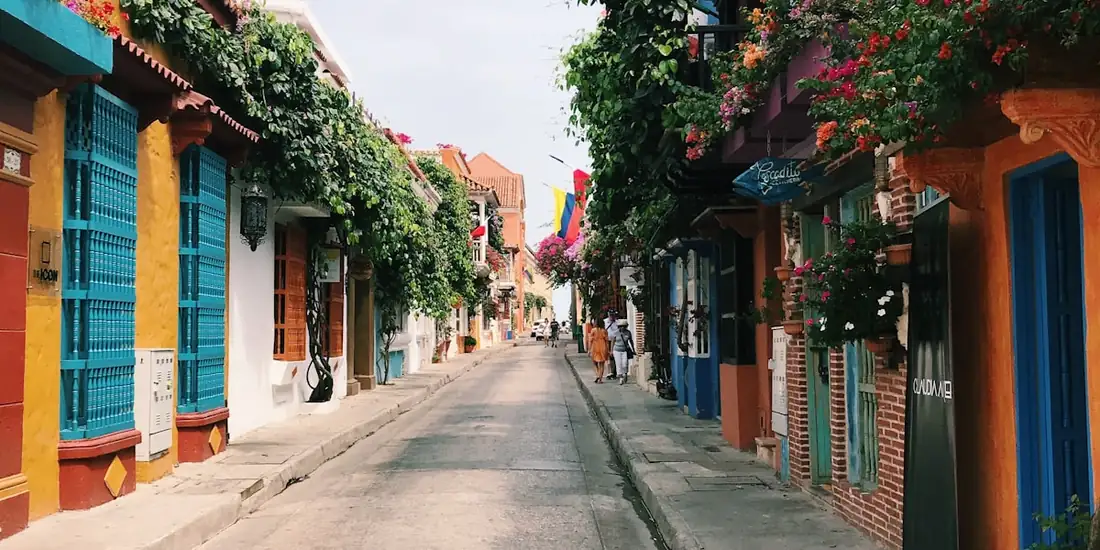
Getsemaní is Cartagena's most talked-about neighbourhood right now, and for good reason. It sits just outside the Walled City (Ciudad Amurallada) and has gone through a serious transformation over the past decade — from overlooked barrio to a genuinely cool mix of street art, independent restaurants, hostels, and a growing community of young creatives and remote workers.
The streets around Plaza de la Trinidad are walkable, lively, and full of character. You'll find corrientazo (set lunch) spots dishing out rice, beans, protein, and juice for around 12,000–16,000 COP. Evenings around the plaza get busy, especially on weekends, so if you're a light sleeper, pick your building carefully — a ground-floor place on a corner near a bar is going to test your patience.
Typical rent: A furnished one-bedroom in Getsemaní runs roughly 1,800,000–2,800,000 COP/month, depending on whether there's air conditioning (non-negotiable in Cartagena), a reliable water heater, and decent WiFi infrastructure. Prices have crept up as the neighbourhood gentrified, but it's still the most affordable option close to the centre.
Coworking and practicalities: There's no major coworking hub right inside Getsemaní, but you're a 10-minute walk from options in the Walled City, and Bocagrande is a short taxi or InDriver ride away. Supermarkets are limited — you'll be hitting smaller tiendas or walking to the Éxito on Avenida Pedro de Heredia for a proper shop.
Who it suits: Young nomads, artists, people who want neighbourhood feel over resort feel. Not ideal for families or anyone who wants quiet after 10pm on a Friday.
Watch out for: Street theft is a real issue in parts of Getsemaní, particularly on quieter streets after dark. Stick to the well-lit main arteries at night, don't walk around with your laptop bag swinging, and ask locals which blocks feel sketchy — they'll tell you straight.
Bocagrande: The Practical Choice for Comfort-First Nomads
Bocagrande is Cartagena's answer to Miraflores or El Poblado — a peninsula neighbourhood full of high-rise apartment buildings, gyms, malls, supermarkets, and restaurants that cater to both Colombians and foreigners. It's not the most characterful place to live, but it works. Internet tends to be faster and more reliable here because the infrastructure in modern buildings is better, which matters if you're on video calls all day.
The Avenida San Martín strip has everything: pharmacies, banks, fast food, coffee shops, and some genuinely good local restaurants. A decent costeño (Caribbean coast) set lunch at a local spot here costs around 15,000–20,000 COP.
Typical rent: Furnished one-bedrooms range from 2,200,000–4,000,000 COP/month. You'll find more consistency here than in Getsemaní — buildings have doormen (porteros), backup generators, pools, and generally more reliable landlord relationships.
Coworking and practicalities: Centro Comercial La Plazuela and the surrounding streets have café-style coworking setups. Gyms like Bodytech and SmartFit are within easy walking distance. The Éxito and Carulla supermarkets are both accessible, and you're right next to Playa de Bocagrande if you want a lunchtime swim.
Who it suits: Retirees, families, people who want comfort and convenience over atmosphere. Also suits nomads who are here for a focused work stint and don't want logistics eating into their time.
Watch out for: Traffic on the main avenues can be genuinely loud. The tourist-facing restaurants around the beach are overpriced. And aesthetically, it's not going to feel like "real Cartagena" — it feels like any mid-tier Latin American beach city strip. That's either fine or a dealbreaker depending on what you're after.
El Laguito: Quiet, Upmarket, and Underrated
El Laguito sits at the tip of the Bocagrande peninsula and is significantly quieter and more residential than Bocagrande proper. The streets are wider, buildings are newer, and there's a slightly more local feel despite being close to all the Bocagrande amenities. It's where a lot of wealthy costeño families and long-term expats end up.
Typical rent: Higher — expect 3,500,000–5,500,000 COP/month for a furnished one-bed with sea views or in a premium building. If you're splitting with a partner or flatmate it becomes much more reasonable.
Who it suits: Couples, remote workers with higher budgets, retirees who want peace and proximity to the beach without Bocagrande's noise.
Watch out for: You'll need a moto-taxi or InDriver for most errands since walkability to shops drops off compared to central Bocagrande. Check the building's generator situation — power cuts in Cartagena are more common than you'd expect.
Manga: The Local Barrio That Expats Keep Discovering
Manga is a residential island neighbourhood connected to the mainland by a couple of bridges, sitting between the old port and the bay. It's one of Cartagena's older traditional barrios, with a mix of restored colonial houses and more modest family homes. It doesn't show up in most expat listicles, which is partly why it's still good value.
The vibe is genuinely local. You'll hear vallenato drifting out of houses, kids playing in the streets, and vendors pushing carts with fresh fruit (fruta picada — cut fruit in a bag with lime and salt — costs around 3,000–5,000 COP and is excellent). It's calmer than Getsemaní, more characterful than Bocagrande.
Typical rent: Furnished one-beds in Manga run approximately 1,500,000–2,500,000 COP/month — some of the better value you'll find anywhere near central Cartagena.
Coworking and practicalities: No dedicated coworking spaces in Manga itself, but you're a short InDriver ride from Bocagrande or the Walled City. There are decent local supermarkets and restaurants, and the Mercado de Bazurto — Cartagena's main market, chaotic and brilliant in equal measure — is nearby if you want to do a proper market shop.
Who it suits: People who want to actually live among locals rather than in an expat bubble. Good for those on a tighter budget who still want something safe and comfortable.
Watch out for: The roads connecting Manga to the rest of the city can get congested. Some streets are rougher than others — do a walking recce before you commit to an apartment.
Crespo: Near the Airport, Surprisingly Liveable
Crespo doesn't get much love but deserves a mention for nomads who move around frequently or want easy airport access without paying Bocagrande prices. It's a functional, fairly safe residential neighbourhood near Rafael Núñez International Airport, with a mix of apartments, family homes, and local businesses.
Typical rent: 1,400,000–2,200,000 COP/month for a furnished one-bed. Decent value.
Who it suits: People who travel in and out of Cartagena regularly, or anyone who wants a quieter base and doesn't mind being away from the tourist centre.
Watch out for: Plane noise — it's literally next to the runway. Check which direction the flight paths run before signing anything.
How to Actually Find an Apartment in Cartagena
Don't rely solely on Airbnb if you're staying longer than a few weeks — you'll overpay significantly. Here's how people actually find apartments:
Finca Raíz (fincaraiz.com.co) is the main Colombian property portal and has the best volume of listings. Filter by "amoblado" (furnished) and set your price range in COP. Properati is another option but tends to have less inventory for Cartagena specifically.
Facebook groups are genuinely useful here. Search for "Apartamentos Cartagena Arriendo," "Expats in Cartagena," and "Digital Nomads Cartagena Colombia" — listings come through regularly and you can often deal directly with owners rather than through an intermediary (inmobiliaria) who'll add their cut.
Walk the streets looking for "Se Arrienda" signs — this is old school but legitimately works, especially in Manga and Getsemaní where not everything gets listed online. Snap a photo of the sign and call directly. You'll often get a better price than through an agency.
WhatsApp is how everything gets done once you're in contact with a potential landlord. Most deals — negotiating price, sending over your cédula extranjería (foreign ID) or passport, and agreeing on terms — happen over voice notes and messages before you ever sign anything formal.
A few practical notes: Most landlords will ask for one month's rent as a depósito (deposit). Furnished apartments near the centre almost always quote prices in USD or round COP numbers with a USD conversion in mind — don't be afraid to negotiate, especially if you're committing to three months or more. And always check the internet speed before you sign. Cartagena's connectivity has improved a lot, but it's still patchy in older buildings. Ask for the Speedtest result or run it yourself.
The honest truth about living in Cartagena is that it takes a bit of acclimatisation — to the heat, the noise, the occasional power cut, and the particular rhythm of a Caribbean city that operates on its own schedule. But get your neighbourhood right and it's one of the most rewarding places to base yourself on the whole coast. Do your homework, spend a few nights in different areas before committing, and you'll find your spot.
Sponsored content
Maia Realty
Find your ideal property in Colombia with Maia Realty