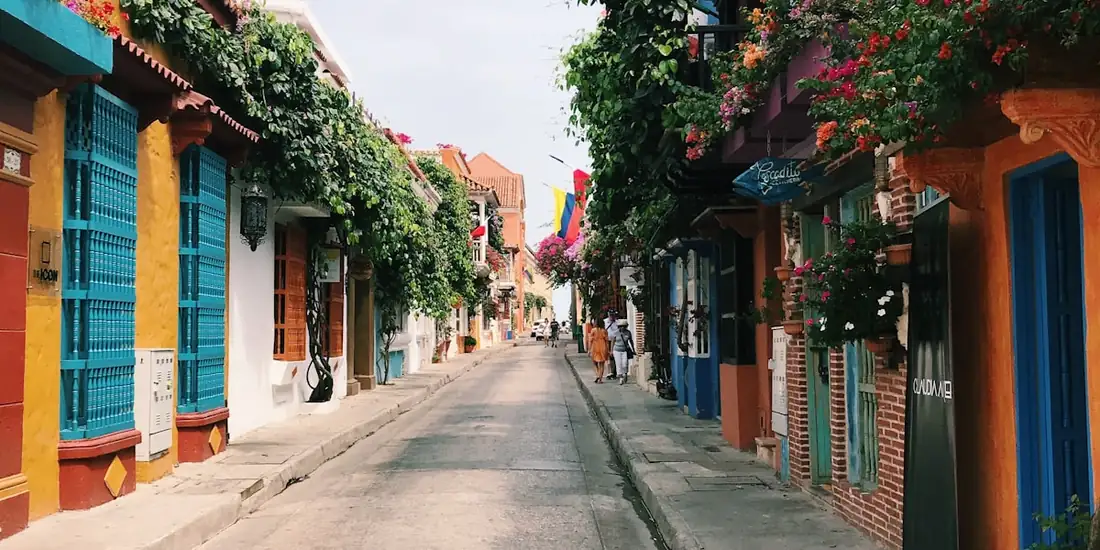
Things to Do in Cartagena: A Local's Guide
Skip the tourist traps and see Cartagena the way residents do — from free walks through the walled city at dawn to mangrove kayaking and the best corrientazo spots nobody's photographing.
import AffiliateCTA from '@/components/AffiliateCTA';
Cartagena has a reputation problem. Not a bad one exactly, but a misleading one. Most people arrive expecting Instagram backdrops and leave having barely scratched the surface of what this city actually offers. Once you stop chasing the curated version and start moving like someone who lives here, the whole place opens up. Here's how to do that.
<AffiliateCTA type="tours" city="Cartagena" />
<AffiliateCTA type="hotels" city="Cartagena" />
The Walled City (Ciudad Amurallada): Go Early or Go Home
The historic centre is genuinely spectacular, but it's also genuinely crowded from about 10am onwards. If you want to walk the walls, wander the plazas, and actually feel something rather than dodge selfie sticks, set your alarm for 6am. The light is better anyway.
The city walls themselves are free to walk. Start near the Torre del Reloj (Clock Tower) and loop around toward Baluarte de San Francisco Javier. The whole circuit takes about an hour at a relaxed pace. There's no entry fee — you just walk up.
Castillo San Felipe de Barajas is the fortress everyone comes to see, and it's worth it. Entry is 25,000 COP for foreign visitors (residents pay less with a Colombian ID). Opening hours are 8am–6pm daily. Go on a weekday morning. The tunnel system underneath is genuinely cool — bring a torch on your phone because some sections are dark even at midday.
The Palacio de la Inquisición on Plaza de Bolívar charges around 20,000 COP entry and gives you a real sense of the city's colonial history without sanitising it. The torture implements on display are grimly educational.
Insider tip: Plaza de Bolívar itself is free, lined with palm trees, and has some of the best people-watching in the city. Buy a tinto (small black coffee) from a passing vendor for around 1,500–2,000 COP and sit on a bench. Nobody's rushing you.
Getsemaní: The Neighbourhood That Actually Lives
Most tourists pass through Getsemaní on the way to somewhere else. That's a mistake. This is the neighbourhood with the murals, the community football games on Plaza Trinidad in the evenings, the cheap corrientazo lunches (12,000–18,000 COP for rice, beans, protein, and a juice), and the street food vendors doing grilled corn and buñuelos for 2,000–3,000 COP a piece.
The neighbourhood has gentrified significantly in the last decade, but it still has edges the walled city doesn't. Walk Calle Guerrero, find the massive painted walls on Calle de la Sierpe, and check what's happening at the Centro Cultural de Getsemaní — they run occasional free events and community workshops.
The Plaza de la Trinidad church is free to enter and worth two minutes of your time. More importantly, the plaza in front of it hosts neighbourhood football most evenings. Pull up a plastic chair from the nearby tienda (corner shop), buy a cold beer for 3,500–5,000 COP, and watch the game. This is as local as it gets.
Nature and the Water: Getting Off the Tourist Boat
The beach islands everyone books — Islas del Rosario — are fine, but the boat rides are chaotic and the islands themselves are overrun on weekends. A better option for most people is Playa Blanca on Barú Island. Take a shared boat from the Muelle de la Bodeguita (roughly 30,000–40,000 COP each way depending on the operator), arrive early, and leave by 1pm before the day-trippers descend en masse. Or better yet, stay overnight in one of the simple guesthouses on the beach for around 80,000–150,000 COP per night.
For something completely different, La Boquilla is a fishing village about 20 minutes from the centre in a taxi (around 25,000–35,000 COP). You can hire a local guide for a mangrove kayaking tour for approximately 50,000–80,000 COP per person. It's a two-hour paddle through channels that feel nothing like the rest of Cartagena. The guides are local boquilleros who've grown up navigating those waterways — they'll tell you more about the ecosystem than any resort activity desk will.
Volcán del Totumo is a genuine novelty: a small volcanic crater filled with warm mud that allegedly has therapeutic properties. Make of that what you will, but it's a fun half-day. Located about 50km northeast of the city, most people book a group day trip for 35,000–60,000 COP per person through a local tour operator or their hostel. The mud bath itself is free once you've paid transport; tips to the attendants who wash you off afterwards are customary (5,000–10,000 COP).
Free Things to Do (That Are Actually Worth Doing)
- Walk the city walls at sunrise — covered above, completely free, genuinely one of the better experiences in the city
- Explore the Mercado de Bazurto on a weekday morning — this is the real market where Cartageneros shop. It's chaotic, it smells intensely of fish and tropical fruit, and it's completely free to wander. Don't bring valuables, do bring cash, and grab a fresh jugo de corozo (a tart red fruit juice native to the coast) for about 3,000 COP
- Evening at the Pegasos Dock (Muelle de los Pegasos) — free to sit on, good views of the city walls at dusk, popular with locals
- Watching the sunset from the walls near Café del Mar — the café itself charges a premium, but the wall is public. Stand or sit nearby and watch the same sunset for free
Markets and Shopping
Mercado de Bazurto is not a tourist market. It is the market. Think enormous covered stalls selling everything from live crabs to phone chargers to medicinal herbs. The produce section alone is worth the trip — you'll find fruit you don't recognise and vendors who'll let you taste before you buy.
For crafts and souvenirs, the Las Bóvedas arcade inside the city walls has fixed-price shops that are reasonable if you're not interested in bargaining, though prices skew tourist. A more interesting option is the artisan sellers along Avenida Venezuela in the evenings — more negotiation, more variety.
The San Felipe neighbourhood market on weekend mornings has become increasingly popular with residents for second-hand goods, plants, and local food vendors. Worth a Saturday morning.
Classes and Workshops
Cartagena's salsa and cumbia scene has genuine local roots, and taking a class is one of the better things you can do here. A single group class typically runs 30,000–50,000 COP. Several schools operate out of Getsemaní and the walled city — ask at your accommodation for current recommendations as places open and close regularly.
Cooking classes focusing on cocina costeña (Caribbean coast cuisine) are run by a handful of operators and local cooks. Expect to pay 120,000–180,000 COP for a session that covers dishes like arroz con coco, sancocho de pescado, and carimañolas (fried yuca stuffed with meat). These are usually small-group sessions and bookable through Airbnb Experiences or directly via WhatsApp with local chefs.
For art, the Claustro de La Merced and a few independent studios in Getsemaní run occasional painting and ceramic workshops. Prices vary but budget around 60,000–100,000 COP for a two-hour session.
Sports and Fitness
Running in Cartagena requires timing. The heat is real and the humidity is brutal. The Avenida Santander seafront is the main running route and is best used before 7am or after 6pm. It stretches several kilometres with sea views and is popular with locals for running, cycling, and walking.
Gyms are plentiful. Basic local gyms in Bocagrande or Manga charge around 5,000–10,000 COP per day. Larger chain gyms like Bodytech (locations in El Cabrero and Bocagrande) charge more but have better equipment.
For pickup football, check the courts near the Universidad de Cartagena and in Getsemaní around dusk. Locals gather most evenings — show up, wait to be invited into a game, and don't be surprised if the pace is faster than it looks.
Rainy Day Options
The rainy season runs roughly from October to November, but afternoon downpours happen year-round. When the sky opens up:
- Gold Museum (Museo del Oro Zenú) on Plaza de Bolívar: free entry, small but excellent collection of pre-Columbian gold from the Zenú people. Open Tuesday–Saturday 9am–5pm, Sunday 10am–3pm
- Gabriel García Márquez Cultural Centre (Casa Gabo): dedicated to Colombia's most famous author, admission around 10,000–15,000 COP, good rotating exhibitions
- Grab a table at one of the many family-run fondas in Getsemaní and spend a couple of hours working through lunch and the downpour with a limonada de coco (coconut limeade)
Weekend Trips from Cartagena
Mompox is the destination that every resident will eventually recommend to you. A four-hour journey east (bus from the Mercado de Bazurto terminal, then a chalupa river boat, total cost around 80,000–120,000 COP), Mompox is a colonial river town with no tourist infrastructure to speak of. It's hotter than Cartagena, quieter, and feels like a different century. The Holy Week celebrations (Semana Santa) are extraordinary if you can time your visit.
Palenque de San Basilio, about an hour southeast by buseta or shared taxi (around 15,000–25,000 COP), was the first free Black settlement in the Americas. It's a living community, not a museum — guided tours are available and respectful visits are welcomed, but go with a community-approved guide rather than an outside operator. Expect to pay around 40,000–60,000 COP for a proper guided experience.
Tolú and Coveñas on the Gulf of Morrosquillo are about three hours away by bus and offer beach towns with almost no international tourism and significantly cheaper accommodation than anything near Cartagena.
Cartagena rewards patience and curiosity in equal measure. The version most visitors see is real, but it's only one layer. Get up early, eat where the locals eat, take the local boat, and give yourself at least one unplanned afternoon to just walk somewhere without checking Google Maps. That's usually when the best version of this city shows up.
Sponsored content
LlevaLleva
Discover local services and experiences in Colombia