Things to Do in Santa Marta: A Local's Guide
Skip the tourist traps and discover what Santa Marta actually has to offer — from Sierra Nevada hikes to hidden beaches and neighbourhood mercados most visitors never find.
Santa Marta doesn't try to impress you. It just gets on with being itself — a proper Caribbean port city with a colonial centre, world-class national parks on its doorstep, and a pace of life that'll either frustrate you or completely rewire your nervous system. Once you stop comparing it to Cartagena (please stop comparing it to Cartagena), you'll find it has more going on than most people give it credit for.
Here's what's actually worth your time.
Cultural and Historical Sites Worth the Entry Fee
El Centro Histórico is where you start, ideally on foot. The streets around Parque de los Novios and Parque Bolívar are genuinely walkable and photogenic without being overrun. Grab a tinto (black coffee, usually 1,500–2,000 COP) from one of the street vendors and just walk.
The Casa de la Aduana (Customs House) is one of the oldest surviving buildings in South America and now houses a decent pre-Columbian archaeology museum. Entry is free. Opening hours are inconsistent — aim for weekday mornings and you'll usually get in without issue. It sits right on Calle 14 near the waterfront.
Quinta de San Pedro Alejandrino is the hacienda where Simón Bolívar died in 1830, about 3km east of the centre in the Mamatoca district. Taxis from the centre cost around 8,000–12,000 COP, or flag down a buseta heading east on Carrera 5. Entry runs about 20,000 COP for foreigners, less for Colombians. It's a peaceful, leafy estate with a proper museum — more interesting than it sounds, especially the context around Bolívar's final weeks.
The Cathedral Basílica de Santa Marta faces Parque Bolívar and is free to enter. It's not the most dramatic cathedral you'll see in Colombia, but the interior is calm and cool — genuinely useful on a 35-degree afternoon.
Outdoor Activities and Day Trips
This is where Santa Marta genuinely earns its reputation.
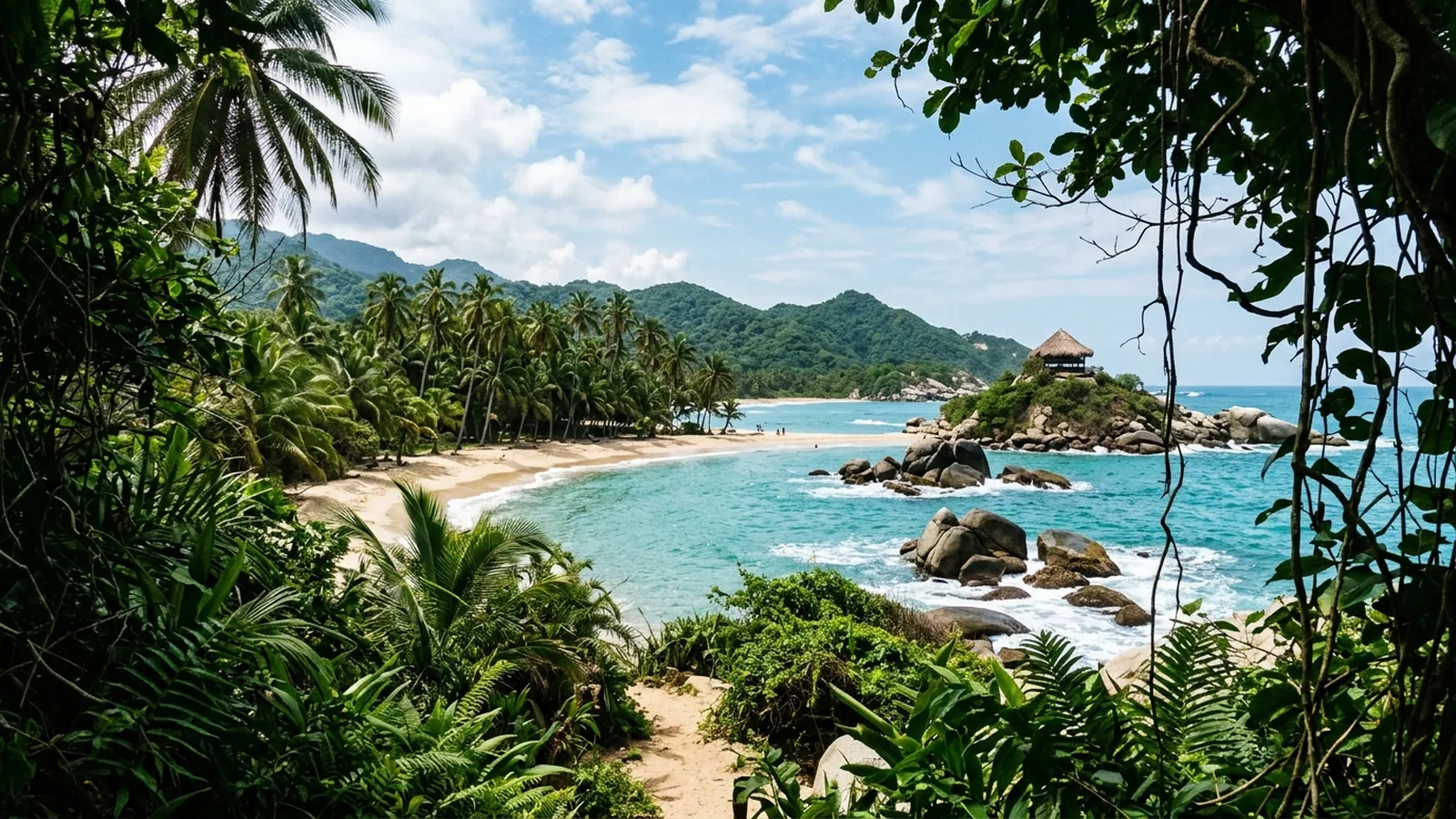
Parque Nacional Natural Tayrona is 34km east of the city and non-negotiable. Entry is around 59,000 COP for foreign visitors (check the Parques Nacionales website as fees are updated periodically). Take a buseta from the Mercado Público towards Palomino and ask to be dropped at Zaino — the main park entrance. From there it's a 45-minute walk or short horse ride (around 20,000–25,000 COP) to beaches like Cabo San Juan and La Piscina. Go on a weekday. Go early. Bring cash.
Ciudad Perdida (La Ciudad Perdida) is the big one. The four-to-six day trek to the Teyuna archaeological site is physically demanding and completely worth it. Most people book through agencies in El Rodadero or the Centro — expect to pay 1,200,000–1,500,000 COP all-inclusive for a guided group trek. Magic Tours and Wiwa Tour are two operators with solid reputations. Book at least a few days ahead in high season (December–January and July).
For something shorter, El Morro — the small island visible from the waterfront — is a half-day trip by boat. Lanchas leave from the pier near the Centro and cost around 15,000–20,000 COP return. There's good snorkelling if you bring your own mask.
Minca is a hill town 45 minutes into the Sierra Nevada and one of the genuinely good things about living here. Mototaxis from the Mercado Público area will take you up for 15,000–20,000 COP. Once there: waterfalls (Pozo Azul and La Cascada), good coffee farms, and hammocks. La Victoria coffee farm charges around 25,000 COP for a tour including tastings. If you've never seen how coffee goes from cherry to cup, this is a solid introduction.
Free Things to Do
The Malecón (waterfront promenade) runs along the bay and is best at dusk when the heat backs off and locals come out. It's a proper parque lineal — families, cyclists, vendors selling raspao (shaved ice with syrup, 2,000–3,000 COP), old men playing chess. Just walk it.
Playa El Rodadero is technically free, though parking and beach chair rental aren't. The beach itself — 15 minutes south of the centre by taxi (10,000–14,000 COP) or buseta — is where samarios (Santa Marta locals) actually swim. It's more populated and less photogenic than Tayrona but genuinely fun on a Sunday afternoon.
The Mercado Público on Carrera 5 is free to wander and one of the best ways to understand how the city actually functions. Go before noon. Buy bollo de mazorca (corn tamale, around 2,000 COP) and watch the carretilleros (cart vendors) move through the narrow corridors.
Markets and Shopping
The Mercado Público is your go-to for produce, spices, and cheap breakfasts. A corrientazo (set lunch with soup, main, juice, and sometimes dessert) in the market area runs 10,000–15,000 COP.
For artesanías (handicrafts), look for the Arhuaco and Wiwa vendors who sell handwoven mochilas (shoulder bags) around Parque Bolívar and the Centro Histórico. These aren't tourist tat — they're made by indigenous communities from the Sierra Nevada and a proper mochila costs 80,000–250,000 COP depending on size and detail. Don't try to bargain aggressively; it's not that kind of transaction.
The Buenavista mall in El Rodadero handles your practical shopping needs — supermarket, pharmacy, mobile top-up. It's not an experience, but it works.
Unique Local Experiences Most Tourists Miss
Barrio Pescador (the fishing neighbourhood near the port) is where boats come in with the morning catch. Show up around 6–7am and you'll see the whole supply chain in motion — fishermen, buyers, women cleaning fish on the dockside, cats doing their own thing. Nobody's performing for tourists here.
Rent a bicycle and ride north along the coast towards Taganga. The road is flat and the views open up once you're clear of the city. Taganga itself is a small fishing village that's scruffy in a good way — a bowl of sancocho de pescado (fish stew) at a beachside restaurant costs around 18,000–25,000 COP and will sort you out for the afternoon.
If you're around in late July, the Festival del Mar fills the Malecón with live vallenato and cumbia, food stalls, and the kind of crowd energy that doesn't need a marketing budget behind it. Free to attend; expensive to maintain your sobriety.
Rainy Day Activities
The Caribbean dry season (roughly December–April) means most of your time here will be sunny, but when it does rain in Santa Marta, it means it.
The Museo Etnográfico in the Universidad del Magdalena campus has exhibits on indigenous Sierra Nevada communities and is free with ID. It's quiet, air-conditioned, and legitimately interesting.
A few good coffee shops have opened in the Centro Histórico and El Prado neighbourhood — Café El Viejo Sinvergüenza on Calle 19 is a reliable spot to wait out a downpour with decent pour-over and Wi-Fi that actually works.
Alternatively, find a billar (pool hall). They're everywhere, they're cheap (roughly 3,000–5,000 COP per game), and they're a window into daily male social life in the coast that most visitors never see.
Sports, Fitness, and Getting Moving
Runners do well on the Malecón early mornings (5:30–7:30am before the heat makes it miserable) or up in Minca where the temperature drops and trails are available. The route from Minca village up to the Cristo Rey viewpoint is about 4km round trip and genuinely challenging.
For gyms, Smart Fit has a location in Santa Marta (check their app for the current address — they've moved) and day passes run around 15,000–18,000 COP.
Pickup football happens most evenings in Parque Lineal and a few of the barrios. Show up, wait, get invited — it usually takes about ten minutes. Bring your own water.
Classes and Workshops
Cumbia and vallenato dance classes are offered by several instructors around the Centro — look for flyers in the hostels or ask at cultural centres on Carrera 5. Group classes typically cost 20,000–35,000 COP per session.
The SENA (national vocational training institution) runs free and heavily subsidised workshops on everything from gastronomy to traditional craft-making, open to the public. It's bureaucratic to enrol but worth the effort if you're staying longer term.
For cooking, a few guesthouses in Minca offer informal cocina costeña (coastal cooking) sessions — typically 40,000–60,000 COP including ingredients and a meal at the end. Ask around; these aren't formally advertised.
Weekend Trips from Santa Marta
Palomino is 85km northeast towards the Venezuelan border — a beach with a river that runs into the sea, plus one of the better spots in Colombia for tubing (floating downriver in an inflatable ring, about 25,000 COP). Buses from the Terminal de Transportes take about 2 hours and cost 15,000–20,000 COP.
Valledupar is 4 hours south through the Sierra Nevada foothills and the spiritual home of vallenato music. If you can get there during the Festival Vallenato in late April, you should. Buses from the terminal run regularly; expect to pay 35,000–55,000 COP.
Barranquilla is 90 minutes west and worth a day trip for its Mercado de Bazurto alone — the largest traditional market on the Caribbean coast. Most expats in Santa Marta do this trip without ever planning it; just get on a buseta heading west from Carrera 5.
The mistake most visitors make is treating Santa Marta as a transit point for Tayrona or Ciudad Perdida. It's worth more than that. Spend a few days actually in the city — walking the centre in the evening, eating in the market, figuring out which buseta goes where — and it starts to make a lot more sense.
Sponsored content
LlevaLleva
Discover local services and experiences in Colombia