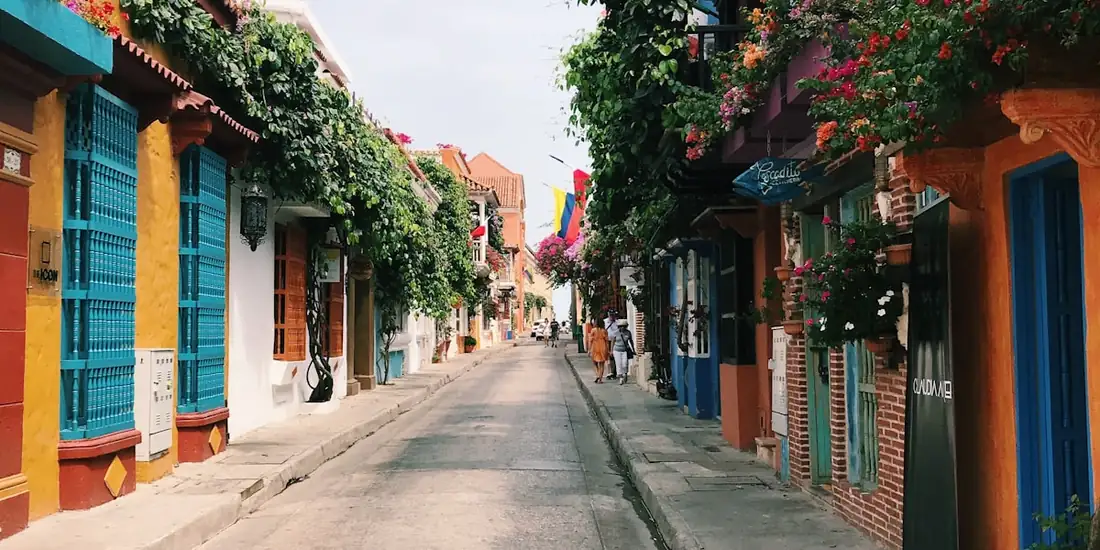
Living in Cartagena as an Expat: The Honest Guide
The romanticised version of Cartagena won't prepare you for the reality of daily life here. This guide tells you what the Instagram photos don't — the heat, the bureaucracy, the charm, and whether it's right for you.
Every year, thousands of foreigners visit Cartagena and think: "I could live here." The coloured buildings, the sea breeze, the rum on the terrace as the sun goes down — it's intoxicating. And unlike a lot of romantic travel fantasies, Cartagena can actually deliver. Many people who say those words do end up living here.
But the version of Cartagena you live in is quite different from the one you visit. Here's what that distinction actually means.
The heat is not optional
Cartagena sits just 10 degrees north of the equator on the Caribbean coast. The average temperature is 28–32°C / 82–90°F. The humidity hovers between 75–90%. There is no "cool season" — only slightly less hot and absolutely sweltering.
This is not a dealbreaker for everyone. People from warm climates adapt. But it's the single biggest quality-of-life factor in Cartagena, and you should spend at least two weeks here during the hottest months (December–March) before committing to residency. If you wilt in the heat or need good sleep without air conditioning, Cartagena will grind you down.
Air conditioning is not a luxury in Cartagena — it is essential. Budget for it. Most long-term residents run A/C in their bedroom at minimum, and many run it in living spaces throughout the day.
The two Cartagenas
The city that tourists see — the walled Old Town — is architecturally magnificent but not representative of daily resident life. Very few people actually live inside the Old Town; it's primarily restaurants, hotels, boutiques, and short-term rentals. The closest analogy is Venice: extraordinary to visit and walk through, but not a functional residential district.
Where expats actually live:
Bocagrande is the modern high-rise beach district — think Panama City or Fort Lauderdale. Condo towers, beach access, good supermarkets, a manageable grid layout. It's where the Colombian upper-middle class comes for beach weekends, and where many expats choose for comfort and convenience.
Getsemaní is where the soul of contemporary Cartagena lives. Immediately outside the Old Town walls, it's a neighbourhood of colourful houses, street art, local restaurants, craft bars, and a community that mixes Colombian residents with a new wave of creatives and international residents. It's the most interesting neighbourhood in the city.
El Laguito (western point of Bocagrande peninsula) and Castillogrande are quieter residential zones with old-money Cartagena families and more peaceful streets. Popular with families.
What Cartagena gets right
The Caribbean life is real. Beaches are genuinely beautiful — the Rosario Islands are 45 minutes by boat and among the most spectacular archipelagos in the Caribbean. Weekend boat trips, snorkelling, and long lunches with fresh fish on a beach are part of the fabric of local life.
The food is exceptional. Cartagena's cuisine — built on fresh seafood, coconut rice, fried plantain, and the coastal Colombian spice palette — is among the best in the country. The tourist restaurants in the Old Town charge tourist prices; the local spots in Getsemaní and the mercado are world-class and cheap.
It's small enough to have community. Cartagena's expat community is tight-knit. You will encounter the same faces at the same spots. This can feel claustrophobic or wonderfully familiar depending on your personality.
History everywhere. The fortifications, the slave history, the colonial architecture — Cartagena carries its past prominently. For people who are drawn to history and culture, living inside that environment is profound.
What Cartagena gets wrong
Tourism distorts everything. Prices in the tourist zone are high. Service can be transactional. The division between the city that tourists experience and the city that most Colombians live in is jarring once you notice it.
Infrastructure gaps. Beyond the tourist core, Cartagena has significant infrastructure challenges — unreliable water supply in some areas, flooding in rainy season, roads that deteriorate quickly. The city is growing fast, and infrastructure hasn't always kept pace.
Healthcare limitations. For serious medical care, many expats travel to Barranquilla (1.5 hours) or Bogotá. The private clinics in Cartagena are adequate for everyday care, but not for complex procedures.
Limited professional opportunities. The local economy is driven by tourism, port logistics, and petrochemicals. The white-collar professional job market is smaller than Bogotá or Medellín. Remote workers and retirees thrive; corporate career paths are more constrained.
Who thrives in Cartagena
- Retirees who want Caribbean beauty, manageable size, and a relaxed pace
- Remote workers who can earn in foreign currency and want a low cost-of-living with high lifestyle quality
- Investors drawn by the strong short-term rental market and historic property values in the Old Town
- Artists and creatives drawn to the Getsemaní scene and Latin Caribbean culture
- People who love the ocean above all else
Practical logistics
Bank accounts: Bring a foreign bank account with low/zero international fees (Charles Schwab, Wise, Revolut) for the first months. Colombian bank accounts require a Cédula de Extranjería.
Getting around: Mototaxis dominate. Agree on the price before getting on. For longer journeys, Uber or InDriver are reliable. Having your own scooter or bicycle significantly improves daily life.
Spanish: More essential in Cartagena than in Medellín or Bogotá, where English is more widely spoken. The city is genuinely international, but daily life outside the tourist zone requires at least conversational Spanish.
Seasonal rhythms: Cartagena's high season (December–February, plus Semana Santa) brings massive tourist influxes, premium prices, and a buzzing atmosphere. Low season (May–October) is quieter, more affordable, and rainier.
If you're considering the move, Maia Legal can handle your visa and immigration requirements, and Maia Realty can help you find the right property — to rent or to buy.
Sponsored content
LlevaLleva
Connect with your local community on LlevaLleva