Cost of Living in Santa Marta, Colombia (2026 Guide)
A practical breakdown of what it actually costs to live in Santa Marta in 2026 — from budget backpacker to comfortable digital nomad, with real prices in COP.
import AffiliateCTA from '@/components/AffiliateCTA';
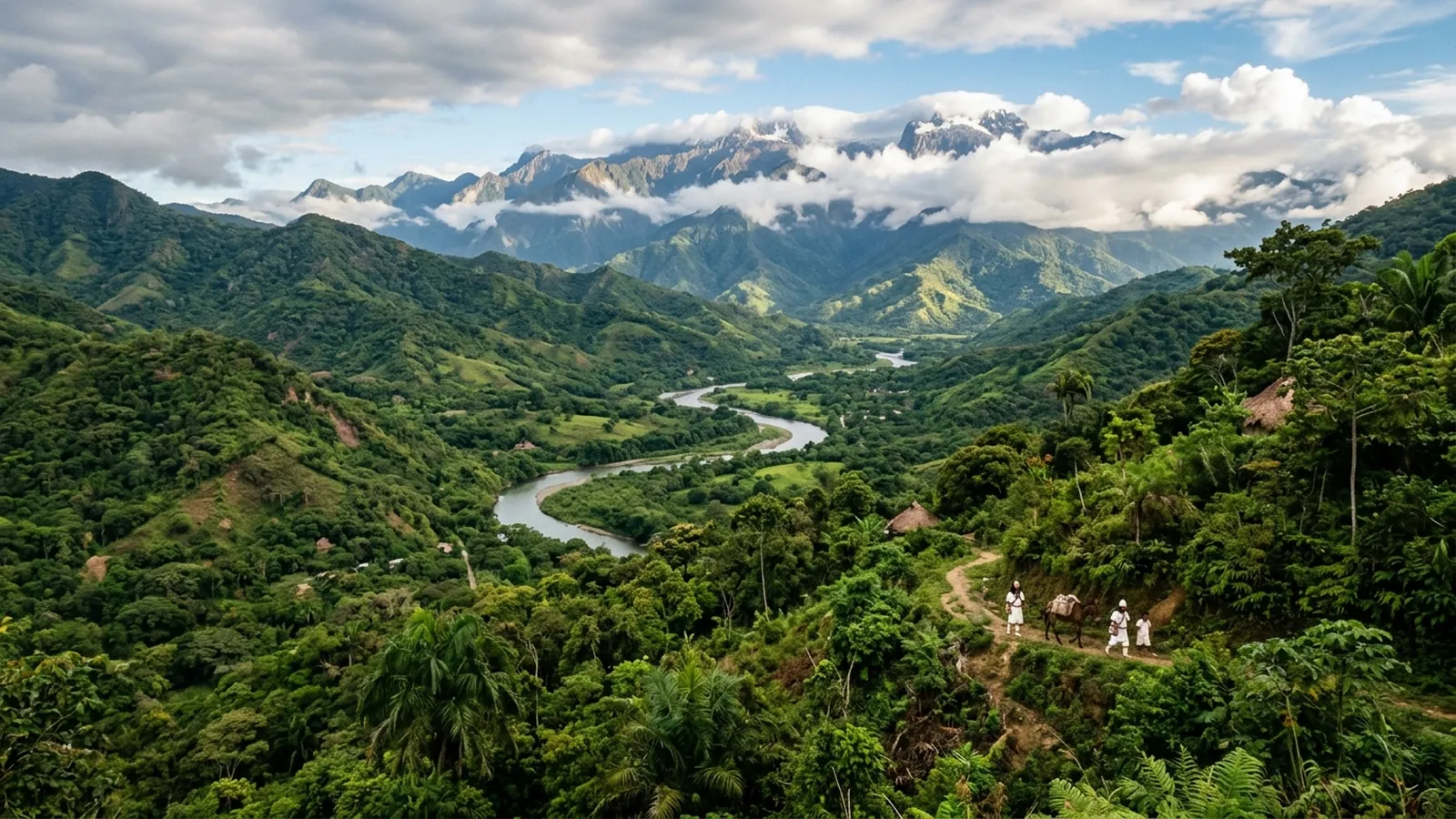
Santa Marta doesn't get the same hype as Medellín or Cartagena, which is precisely why people who actually live here tend to stay. It's smaller, cheaper than Cartagena by a meaningful margin, and you're thirty minutes from Tayrona National Park on any given Tuesday. If you're weighing up where to base yourself in Colombia, the cost picture here is worth understanding properly — not just the headline rent figure, but the full monthly reality.
<AffiliateCTA type="hotels" city="Santa Marta" />
Here's what you'll actually spend in 2026.
Rent: What to Expect and Where to Look
Santa Marta's rental market splits fairly cleanly between the centro histórico and the beach-adjacent neighbourhoods, versus the residential barrios further inland where locals actually live.
In and around the centre / El Rodadero / Bocagrande-adjacent zones:
A furnished one-bedroom apartment in El Rodadero or near the Parque de los Novios area will run you 1,800,000–2,800,000 COP/month. If you want sea views or to be within three blocks of the beach, budget closer to the top of that range or above it. Short-term furnished rentals aimed at foreigners sit even higher — expect 3,000,000–4,500,000 COP/month for anything marketed on Airbnb or Facebook Expat groups with air conditioning, decent Wi-Fi, and a building with a pool.
Residential neighbourhoods (El Pando, Los Almendros, Mamatoco, Villa del Mar):
This is where your money goes much further. An unfurnished one-bedroom in El Pando or Los Almendros — solidly built, safe, with reliable water — costs 700,000–1,100,000 COP/month. Add 200,000–350,000 COP for basic furnishings if you're renting longer-term and the landlord is willing to negotiate them in. Two-bedroom unfurnished apartments in these barrios regularly come in under 1,400,000 COP/month.
The sweet spot for most digital nomads is a furnished apartment in Taganga (10 minutes from the centre by taxi), or in the quieter parts of El Rodadero where you can negotiate a 3–6 month rate. Facebook groups like "Santa Marta Expats" and "Arriendos Santa Marta" on Facebook Marketplace are more useful than any rental portal here. Finca Raíz is worth checking but local landlords often don't bother listing there.
Utilities
Santa Marta's heat is the main variable. If you run air conditioning for 6–8 hours a day — which, between June and September, you will — your electricity bill reflects it.
- Electricity (Electricaribe/Afinia): 120,000–220,000 COP/month without heavy A/C use; 280,000–450,000 COP/month if you're running A/C most of the day. This is the bill that surprises people most.
- Water: 25,000–45,000 COP/month for a single person
- Gas (natural gas cylinder/pipeta): If your building doesn't have piped gas, a pipeta of propane runs about 70,000–85,000 COP and lasts 4–6 weeks with normal cooking use
- Internet: Claro and Tigo are the two main providers. A home fibre plan at 100Mbps runs 65,000–95,000 COP/month with Claro; Tigo is competitive at similar rates. Installation can take 1–2 weeks, so plan ahead. Mobile data with a Claro or Tigo SIM — around 30GB for 35,000–50,000 COP/month — is a solid backup
Total utilities for a single person running A/C regularly: roughly 400,000–600,000 COP/month.
Groceries
You have real options here depending on how you shop.
Supermarkets: Éxito on Avenida del Libertador is the main full-service option. A weekly shop for one person covering proteins, vegetables, dairy, and basics runs 180,000–280,000 COP. Monthly: roughly 700,000–1,100,000 COP.
Discount chains (D1, Ara): Both have multiple locations across the city. D1 on Carrera 5 near El Pando, and Ara near Mamatoco, are worth knowing. A monthly shop here for someone cooking most meals comes in at 400,000–650,000 COP — noticeably cheaper for staples like rice, pasta, oil, canned goods, and cleaning products.
Mercado Público / local plazas: The central market near Carrera 7 and the smaller neighbourhood plazas are where you buy fresh produce. A week's worth of vegetables, fruit, plantain, yuca, and herbs typically costs 25,000–45,000 COP. Vendors here don't give tourist prices if you shop regularly and speak even basic Spanish.
A practical approach: buy dry goods and proteins at D1 or Ara, fresh produce at the local market, and supplement with Éxito for international items or specific brands.
Eating Out
The corrientazo: This is the backbone of eating affordably in Colombia. A corrientazo — set lunch with soup, a main, rice, beans, salad, and juice — costs 12,000–18,000 COP at neighbourhood restaurantes de comida corriente. In El Pando or Mamatoco, you'll find them at the lower end. Near the centre or tourist zones, expect 16,000–22,000 COP.
Mid-range sit-down restaurants: Lunch or dinner at a decent local restaurant in the centro histórico or El Rodadero — think grilled fish, bandeja, or pasta — runs 28,000–55,000 COP per person without drinks. Add a cold Águila or Club Colombia (beer) and you're looking at another 5,000–8,000 COP.
Upscale / beachfront dining: Restaurants along the El Rodadero beachfront or the newer spots in the historic centre (think fresh seafood, ceviche, craft cocktails) charge 60,000–130,000 COP per person for a full meal with drinks. Not every day territory, but entirely affordable for a special night out by any international standard.
Coffee: A tinto (small black coffee) at a local spot costs 2,000–3,500 COP. Specialty coffee at one of the small cafés near the Parque de los Novios runs 7,000–14,000 COP.
Transport
Santa Marta is manageable without a car if you're based centrally.
*Local buses (busetas):* 2,200–2,800 COP per journey. Cheap, hot, and they'll get you across the city if you're not in a rush.
InDriver and Didi: Both operate in Santa Marta and are the sensible default for most journeys. A trip from the centro histórico to El Rodadero (around 4–5km) costs 7,000–12,000 COP depending on time of day. Airport to centre: 22,000–35,000 COP. Monthly transport budget for someone using apps 3–4 times a day: 150,000–250,000 COP.
Mototaxis: Common throughout the city, particularly in residential barrios. Typically 3,000–6,000 COP for short hops. Useful, though helmet compliance is inconsistent.
To Tayrona / Palomino: Shared vans (colectivos) from the Mercado leave regularly. Tayrona entrance is about 15,000–22,000 COP each way; Palomino around 25,000–35,000 COP.
Healthcare
EPS (public system): If you have a work contract or are enrolled through a registered Colombian entity, EPS contributions are income-based but typically 70,000–180,000 COP/month for independents on minimum wage registration. Coverage is functional but wait times at public clinics can be long. Clínica El Prado and Centro Médico Dávida are the main private-leaning options in the city.
Medicina prepagada (private health insurance): Providers like Sura, Compensar, and Colsanitas operate here. A prepagada plan for a healthy adult in their 30s runs 280,000–550,000 COP/month and gives you access to faster appointments, better facilities, and coverage for specialists without the EPS queue.
International health insurance: Many digital nomads on tourist visas use SafetyWing or similar — roughly USD 40–50/month — which works fine for emergencies. A GP consultation at a private clinic in Santa Marta without insurance runs 50,000–90,000 COP.
Entertainment and Social Life
Santa Marta won't drain your wallet socially the way Medellín's Parque Lleras scene can.
- A night out with beers at a bar in the centro histórico: 40,000–80,000 COP per person
- Cinema at Cinemark in the Buenavista Mall: 14,000–22,000 COP per ticket
- Day trip to Tayrona (entrance fee): 59,000 COP for foreigners (check current PNNC rates)
- Surfing lesson in Taganga or El Rodadero: 60,000–90,000 COP
- Salsa or dance class: 25,000–40,000 COP per session
Gym Memberships and Coworking
- Gyms: SmartFit has a location near El Rodadero and charges around 79,000–99,000 COP/month. Local independent gyms (you'll find several in El Pando) are cheaper at 45,000–65,000 COP/month.
- Coworking: Santa Marta's coworking scene is still developing compared to Medellín or Bogotá. CoWork Santa Marta and a handful of café-style spaces near the historic centre offer day passes at 25,000–40,000 COP or monthly memberships at 280,000–420,000 COP. Many digital nomads here just work from home or use a café with good Wi-Fi — Bontá Café near the centre and Dúo Café in El Rodadero are solid options with reliable connectivity.
Monthly Budget Summary
| Category | Budget (Backpacker) | Comfortable (Digital Nomad) | Premium (Professional Expat) | |---|---|---|---| | Rent | 800,000 | 1,800,000 | 3,200,000 | | Utilities | 200,000 | 420,000 | 600,000 | | Groceries | 350,000 | 650,000 | 1,000,000 | | Eating out | 200,000 | 500,000 | 1,200,000 | | Transport | 80,000 | 180,000 | 350,000 | | Healthcare | 50,000 | 300,000 | 500,000 | | Entertainment | 100,000 | 300,000 | 600,000 | | Gym/Coworking | 50,000 | 150,000 | 250,000 | | Total (COP) | ~1,830,000 | ~4,300,000 | ~7,700,000 | | Approx. USD | ~$450 | ~$1,050 | ~$1,900 |
USD figures based on an approximate rate of 4,100 COP/USD. Rates fluctuate — check the current TRM before planning.
Thinking of Buying in Santa Marta?
If you're considering making Santa Marta your permanent base or investment destination, [Maia Realty](https://maia-realty.com) specialises in Santa Marta property for foreign buyers. They handle everything from property search to legal completion.
👉 [Browse Santa Marta listings at Maia Realty →](https://maia-realty.com)
How Santa Marta Compares
Santa Marta sits noticeably below Cartagena on almost every metric — rent in comparable neighbourhoods is 20–35% cheaper, and the tourist markup on food and entertainment is lower. Compared to Medellín, it's cheaper on rent but electricity costs (driven by A/C use) can close the gap somewhat. Bogotá remains in a different tier for rent and transport costs. If you're choosing between Santa Marta and Cartagena for a long-term base and budget matters, Santa Marta wins clearly.
The honest summary: you can live comfortably here as a digital nomad on 3,500,000–5,000,000 COP/month (roughly USD 850–1,200), eat well, stay cool, and still have money left for weekends in the Sierra Nevada or a dive trip out of Taganga. That's a hard deal to beat anywhere on the Caribbean coast.
Sponsored content
LlevaLleva
Connect with your local community on LlevaLleva